
The apparent low bid can become the expensive bid when its square count includes waste, excludes flashing, or leaves decking charges open-ended. Before choosing a five-figure roof replacement, divide comparable included cost by one verified measured roof-square denominator and keep ordering waste and concealed-condition scenarios separate.
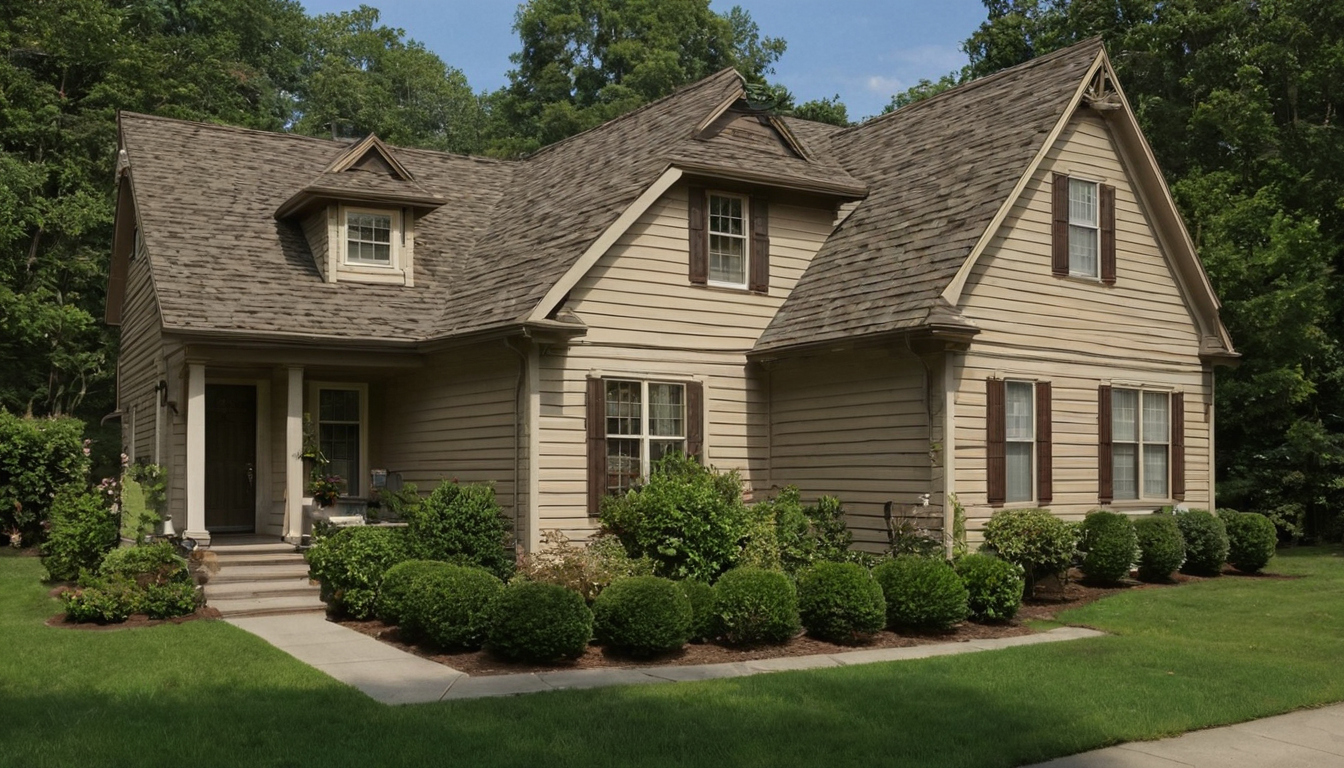
Roof Replacement Cost per Square: A Bid-Normalization Method for Unequal Quotes shown as an editorial planning reference.
Roof replacement cost per square is comparable only when every bid uses the same denominator
Roof replacement cost per square becomes comparable only when each bid covers the same roof area, material system, work scope, market, and bid period.
Roof replacement cost per square is comparable only when every bid uses the same denominator shown with practical context cues.
- One roofing square equals 100 square feet of roof surface, not house floor area.
- Measured squares describe finished roof surface. Material-order squares may include waste. Ask what each contractor’s quantity represents.
- Use this formula: normalized known-scope cost per square = comparable included cost ÷ verified measured roof squares.
Why is house floor area the wrong denominator for roof replacement cost?
Floor area does not account for slope, overhangs, garages, porches, or stories. Consider a hypothetical one-story house with a 30-by-50-foot footprint. Its horizontal footprint is 1,500 square feet, but its sloped roof exceeds 15 squares before adding overhangs. A two-story house with 1,500 square feet of living area may have a much smaller roof footprint.
Which cost-per-square figures should the roofing comparison show?
- Known-scope cost per measured square: Include only common written work, such as tear-off, underlayment, shingles, specified flashing, ventilation, disposal, permits, and cleanup.
- Scenario-adjusted total per measured square: Add the same assumed decking quantity to every bid using each contractor’s written unit price.
Keep warranty terms, exclusions, payment requirements, and contractor risk outside the arithmetic until they are clarified in writing.
What roof area and waste factor belong in a normalized roofing square cost?
Roof area should come from measured roof planes adjusted for slope, while the roof waste factor should increase material quantities rather than enlarge the finished-roof denominator.
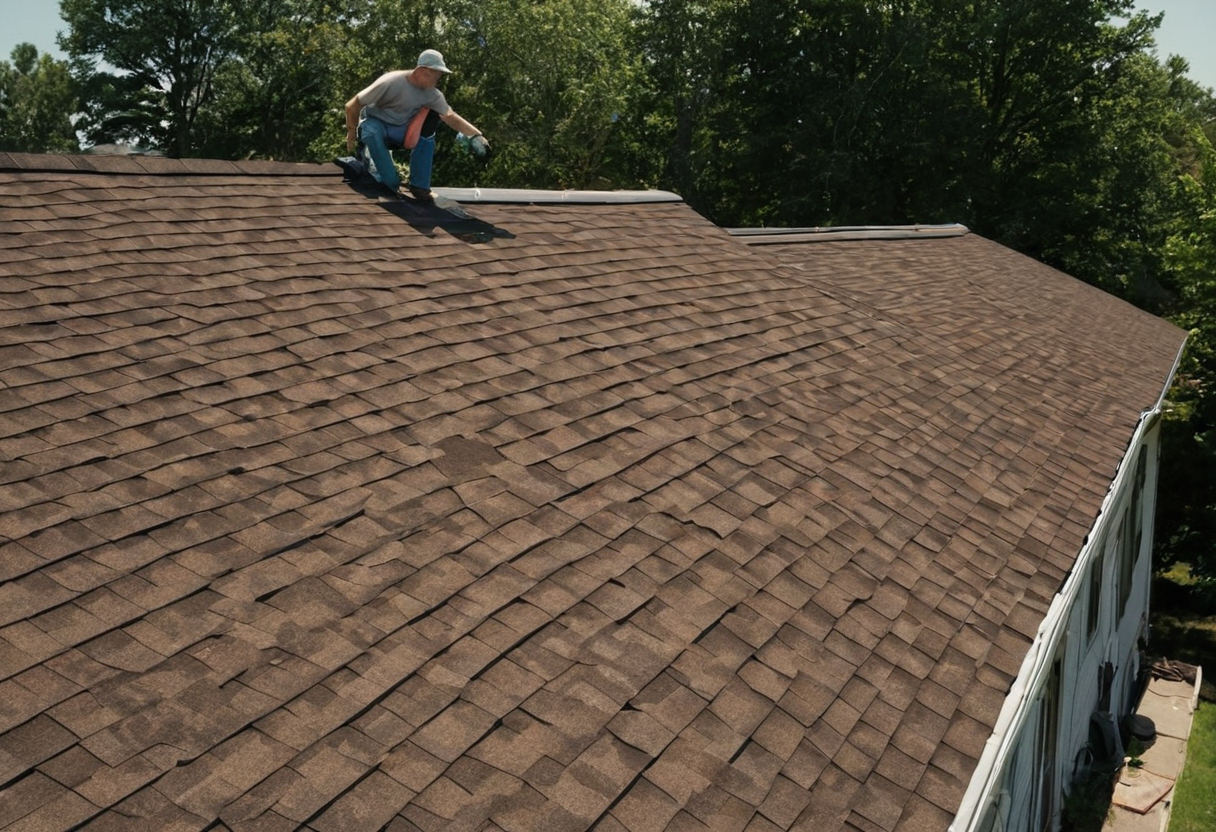
What roof area and waste factor belong in a normalized roofing square cost shown as an editorial planning reference.
How is measured roof area converted into roofing squares?
Measure each plane from eave to ridge and rake to rake. Calculate rectangles, triangles, and trapezoids separately. Verify plans or aerial reports against overhangs, additions, dormers, porches, and detached structures included in the contract.
InterNACHI defines roof slope as vertical rise per 12 inches of horizontal run, such as 4:12, and distinguishes slope from pitch based on the entire span. For horizontal plan dimensions, the slope multiplier is √(12² + rise²) ÷ 12. A 20-by-15-foot plan area at 4:12 produces about 316 square feet of sloped surface.
Include eaves and rakes in plane dimensions. Record hips, ridges, valleys, and flashing runs in linear feet. Divide total roof surface by 100 to obtain measured roofing squares. Field confirmation remains necessary because reports have stated tolerances and cannot confirm concealed conditions.
Roof waste factor belongs in material quantities, not finished roof area
| Quantity | Normalized treatment | Bid check |
|---|---|---|
| Net roof area | Measured surface ÷ 100 | Use one denominator |
| Field shingles | Net area plus ordering waste | Confirm product coverage |
| Starter | Eaves plus applicable rakes | Check starter coverage |
| Hip and ridge | Measured linear length | Check cap coverage |
| Cut waste | Material allowance only | Relate it to valleys, hips, dormers, and patterns |
Waste is not a second roof area. The bid should identify ordered waste, returnable bundles, nonreturnable accessories, and owner-retained spare material.
How do you convert unequal roof replacement bids into one comparison worksheet?
Rebuild every bid around one verified roof-area denominator, then separate fixed work from allowances, exclusions, and options.
Which bid fields belong in a roof estimate comparison table?
- Record quantity, unit, inclusion, exclusion, allowance, unit rate, and normalized amount.
- List measured squares, priced squares, waste, material, tear-off layers, disposal, underlayment, flashing, ventilation, decking, permits, warranty, and total.
- Label every unit as square, sheet, linear foot, each, hour, or lump sum.
- Align tax, discounts, financing charges, payment basis, material grade, and bid date.
How are lump sums and allowances normalized without inventing prices?
- Keep a lump sum intact unless the contractor documents a removable component.
- Remove an optional upgrade or add the same documented option to competing bids.
- Multiply one common decking scenario by each contractor’s stated per-sheet rate.
- Show minimum and scenario totals when tear-off or decking quantity remains unknown.
An omitted item without a written rate remains an unresolved risk, not a guessed allowance.
Which roof replacement scope items must be equalized before dividing by squares?
Roof replacement scope must be equalized from the deck upward because a lower total may omit work another contractor includes.
Tear-off, decking, flashing, and ventilation create the largest scope mismatches
Tear-off terms should identify existing layers, disposal limits, and added-layer charges. Decking terms should define inspection, owner approval, sheathing material and thickness, labor, and a price per sheet or square foot. Concealed deterioration remains an allowance until the deck is exposed.
Flashing scope should address drip edge, valley flashing, step flashing, headwall flashing, apron flashing, kickout flashing, chimney flashing, and pipe boots. Each item should be marked for replacement, reuse, or inspection where accessible. Ventilation should follow a documented net-free-area calculation rather than an unexplained vent count.
Permits, accessories, cleanup, and warranty terms still change roofing square cost
- Assign permit applications, fees, inspections, and correction costs.
- Confirm starter, hip-and-ridge products, fasteners, sealants, and pipe boots.
- Define property protection, debris removal, nail collection, and damage responsibility.
- Separate manufacturer coverage from contractor workmanship coverage, including registration, exclusions, transfer terms, and remedy.
How does a worked three-bid normalization change the apparent low quote?
A hypothetical three-bid test shows why the lowest total may not provide the lowest comparable roof replacement cost.
The raw roof bids appear comparable until their quantities and exclusions are exposed
The example roof measures 30.0 squares at 6:12 and has valleys and one dormer. All three bids specify architectural shingles.
| Bid | Total | Stated squares | Apparent rate | Major gap |
|---|---|---|---|---|
| A | $15,600 | 33 with waste | $473 | Permit and vents |
| B | $15,200 | 30 without waste | $507 | Flashing and vents |
| C | $16,800 | 34 with waste | $494 | Includes five decking sheets |
The normalized roof bids use one area and one common scope
Using 30.0 measured squares, the worksheet adds $600 to A, adds $1,400 to B, and removes C’s $500 decking allowance. Comparable totals become $16,200, $16,600, and $16,300, equal to $540, $553, and $543 per measured square.
How does a worked three-bid normalization change the apparent low quote shown as an editorial planning reference.
Adding a ten-sheet decking scenario at each contractor’s written rate produces totals of $17,200, $17,500, and $17,300. Bid A remains lowest, but only after the missing scope and concealed-deck scenario are exposed.
Normalized roof replacement cost supports a decision but does not replace contract review
Normalized cost is a screening tool, not an automatic lowest-price rule. The best bid is the lowest credible cost for the same written deliverable.
Which unresolved roofing bid risks require written clarification?
Treat an unexplained square count or missing unit rate as a stop sign. Request measured area, decking rates, flashing types, permit responsibility, warranty documents, and change-order procedures. Require photographs of concealed damage and written owner authorization before extra work begins.
When should the homeowner reject the lowest normalized roofing cost?
Reject or revise a bid with unsupported measurements, incomplete scope, open-ended charges, noncompliant specifications, or unresolved credentials. Normalization cannot verify hidden decking or guarantee workmanship. First decide between roof repair and replacement, then compare roofing companies and contract risk. Sign only after the contractor issues a complete revised bid.
Frequently asked questions
What is the 25% rule for roofing, and does it affect a roof replacement bid in my jurisdiction?
There is no universal roofing rule identified simply as the 25% rule. The phrase may refer to repair thresholds, matching requirements, code provisions, or insurance terms. Ask the local building department or insurer for the exact written provision before accepting it as a bid requirement.
How can I estimate roof replacement cost for a 4,000-square-foot house without confusing floor area with roof area?
Do not divide a quote by 4,000 square feet of living area. Measure the roof footprint, include overhangs and attached roofed areas, apply the slope multiplier to each plane, and divide the resulting roof surface by 100.
How many roof replacement quotes should a homeowner compare before signing?
Three complete bids often provide a useful comparison, but bid quality matters more than count. Additional quotes will not resolve a disagreement caused by different measurements or missing specifications.