
Updated:
The risky choice is not always the cheapest roofer. The risky choice is the company that quotes quickly before proving license status, insurance, permit responsibility, roof-system details, and warranty terms.
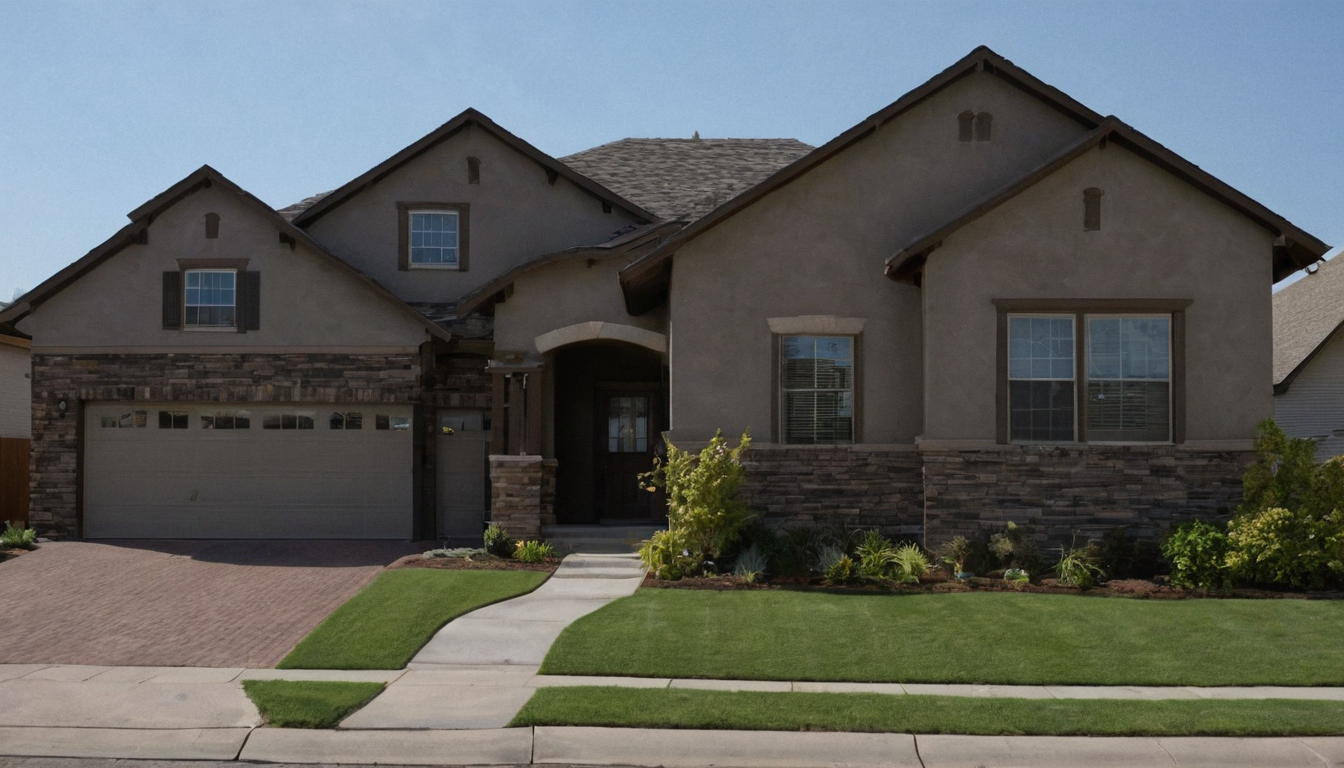
How to Compare Local Roofing Companies Before You Sign a Roof Replacement Contract shown as an editorial planning reference.
How should a homeowner compare roofing companies near me before requesting roof replacement bids?
A homeowner comparing roofing companies near me should first narrow the list to contractors that can document local roof replacement history, roof-type experience, licensing, insurance, and permit familiarity before price shopping.
| Search source | Proof to request | Warning sign |
|---|---|---|
| Map listing or search ad | Legal business name, license or registration number, local address, and recent nearby roof types | The company has reviews but will not say who holds the license or pulls the permit |
| Neighbor or property manager referral | Owner-approved photos of tear-off, decking, flashing, ventilation, and cleanup | The referred job was a small repair, but your project is a full replacement |
| Manufacturer directory | Current certification status and written scope for the exact roof system | The salesperson discusses warranty length but avoids fastening, underlayment, and flashing |
| Permit record or building department reference | Recent reroof permits in the same jurisdiction and closed inspections where available | The contractor says roof replacement permits are optional without checking local rules |
A roofing company shortlist should separate sales presence from verifiable local project history
A strong online presence proves that a roofing company can be found, not that it can build a durable roof on your structure. A practical shortlist is usually three to five roofing contractors, enough to expose price and scope outliers without collecting too many vague estimates.
Useful proof is concrete and privacy-safe: permit numbers, redacted addresses, reference calls with owner permission, or dated job photos showing decking, underlayment, flashing, vent penetrations, and cleanup.
Local regulation matters because roof replacement is both weatherproofing work and a code-controlled project. Washington State Department of Labor & Industries says roofing is one contractor specialty that requires contractor registration, so Washington homeowners should compare the registered business, not only the marketing name. Washington State L&I contractor registration
Roofers near me should be compared by roof type, not just ZIP code
Roof type changes the comparison. Asphalt shingles, standing-seam metal, concrete tile, slate, and low-slope membranes require different crews, flashing methods, staging, and manufacturer instructions.
Weather exposure also changes the shortlist. In Texas wind and hail conditions, the Texas Department of Insurance recommends roofing products tested for wind resistance and impact resistance, including shingles tested under ASTM D 3161 with 110 mph wind resistance or higher and UL 2218 Class 4 impact-resistant products where hail exposure drives selection. TDI also warns that skylights are vulnerable to windborne debris and hail. Texas Department of Insurance roofing questions
Heavy or unusual roof coverings need tighter screening. Solano County says tile roofs may be installed over existing roof coverings only when the building official and manufacturer approve the work and structural data shows adequate framing capacity. Solano County reroof guidance
A legitimate local roofing contractor must prove licensing, insurance, and permit responsibility before the bid is trusted
A local roofing contractor should provide license information, liability insurance, workers’ compensation status, and a written permit plan before the estimate deserves comparison.
- Verify the legal business name against the state contractor board, labor department, municipal registry, or consumer protection lookup.
- Match the license classification to the work: roofing, general contracting, structural repair, gutters, fascia, or related trades.
- Ask for insurance proof showing liability coverage, workers’ compensation status, policy dates, limits, and the same business name used on the proposal.
- Put permit responsibility in writing, including who files, schedules inspections, pays fees, and keeps final approval records.
Roofing company license lookup should be done with the state or local licensing authority
Roofing licenses are jurisdiction-specific. The Minnesota Department of Labor and Industry says a company or individual contracting directly with an owner of one-to-four-unit residential real estate for only roofing work must hold a residential building contractor, residential remodeler, or residential roofer license. Minnesota also states that a residential roofer license is limited to roofing and does not authorize gutters, downspouts, soffit, or fascia installation. Minnesota residential contractor licensing
Washington requires construction contractors to register, be bonded, and be insured before they can bid, advertise, or perform construction work. Washington also separates general contractors from specialty contractors, which can perform only the specialty in which they are registered.
A certificate of insurance is useful only if coverage, dates, and insured business name match the roofing contractor
A certificate of insurance is a snapshot, not a guarantee. The named insured should match the contractor signing the contract, policy dates should cover the job window, and the certificate should show general liability plus workers’ compensation coverage or a lawful exemption.
Washington publishes registration insurance details, including bond amounts of $30,000 for general contractors and $15,000 for specialty contractors, and requires bond and insurance documents to use the exact business name.
Roof replacement permits should identify who is responsible for inspections and code compliance
Permit rules turn a roof estimate into a code-controlled scope. The City of Chicago lists roof repair limited to 25 percent of roof area, roof recover over one existing layer, and roof replacement without structural work as eligible reroofing scopes under its Express Permit Program, but also requires valid Illinois roofing licensing for reroofing work. City of Chicago reroofing permits
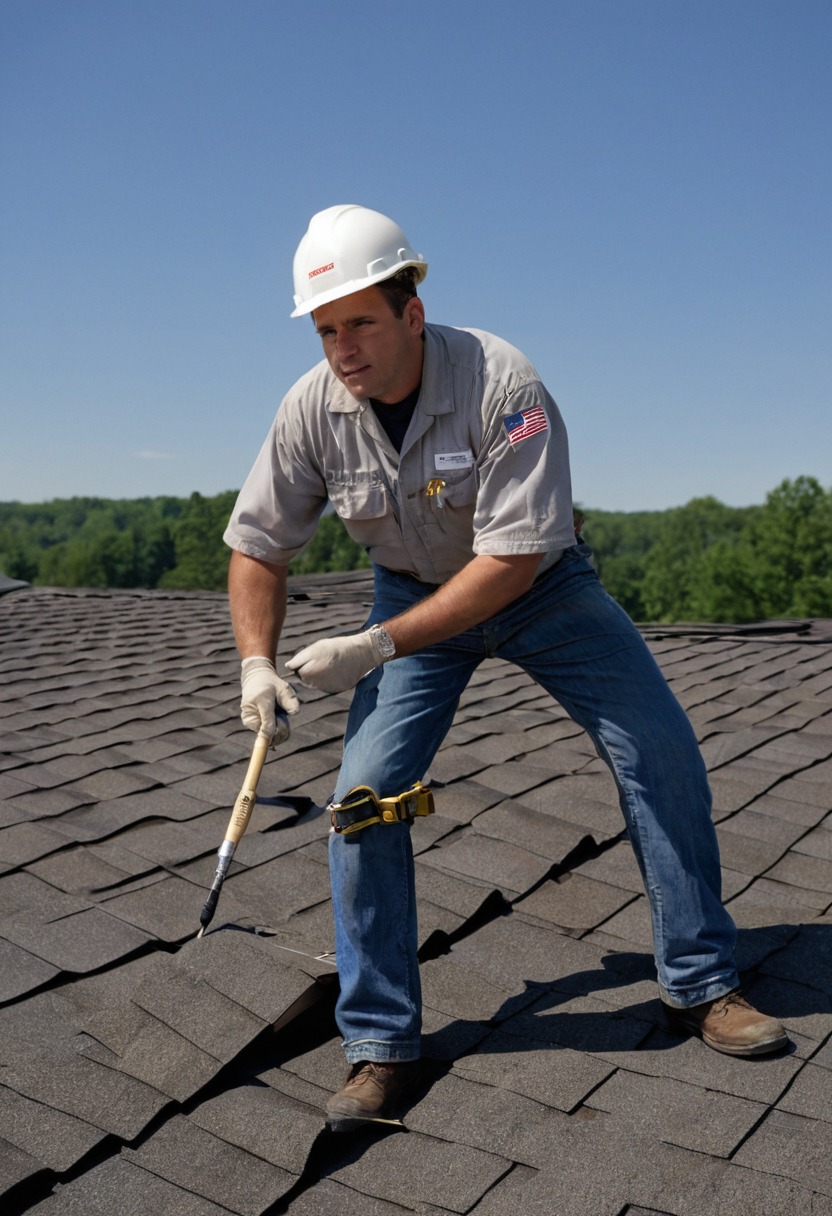
A legitimate local roofing contractor must prove licensing, insurance, and permit responsibility before the bid is trusted shown as a professional reference scene.
Solano County draws a useful repair line: minor replacement of missing or broken shingles or shakes is maintenance, but replacing large roof sections is reroofing and requires a permit. It also says built-up roof covering generally must be removed before new covering is applied unless the building official allows an exception after checking roof condition, attachment, load capacity, and moisture. Wet roof cavities deserve attention because the U.S. Environmental Protection Agency advises fixing wet or damp spots promptly to prevent mold growth. EPA mold and moisture guidance
Comparable roof replacement quotes must describe the same roof scope, materials, and exclusions
Roof replacement quotes are comparable only when each roofing company prices the same tear-off method, roof area assumptions, underlayment, flashing, ventilation, disposal, deck repair allowance, permit fees, and warranty level.
A roofing contractor estimate should name the exact roof system components
A roofing contractor estimate should read like a parts list rather than a postcard. Residential shingle proposals often price materials by the square, meaning 100 square feet of roof surface. Deck work, trim, repairs, and low-slope details may appear by sheet, linear foot, or lump sum in the same roofing contractor estimate. Understanding roof replacement cost per square helps homeowners normalize bids when estimates use different pricing units.
- Asphalt shingle roof: tear-off layers, shingles, starter strip, ridge cap, drip edge, valleys, underlayment, pipe boots, vents, fasteners, flashing, disposal, and cleanup.
- Metal roof: panel profile, thickness, coating, underlayment, clips or exposed fasteners, closures, trim, and penetrations.
- Tile roof: tile type, underlayment system, battens if used, flashing, bird stop, structural load assumptions, and broken-tile replacement terms.
- Low-slope roof: membrane type, insulation, attachment method, edge metal, drains, scuppers, penetrations, and termination bars.
Manufacturer instructions and local code matter because the roof is a system. Solano County states that roof installation and reroofing are governed by building code standards and manufacturers’ written installation instructions, and the county checks reroof specifications before issuing a permit.
Underlayment and ventilation should not be vague allowances. TDI recommends 30-pound roofing felt instead of 15-pound felt in its windstorm context, describes peel-and-seal strips over roof deck joints as a secondary water barrier option, identifies flashing as a critical leak point, and gives an attic ventilation benchmark of one square foot of net ventilation area for every 150 square feet of attic floor space.
A roof replacement bid should state how hidden deck damage and change orders will be priced
Hidden deck damage is the cost trap no review score can expose. A sound bid states how the contractor will price rotten plywood, plank repairs, fascia replacement, chimney flashing, skylight work, gutters, ventilation upgrades, permit fees, and code-required changes.
Deck repair becomes more likely when the roof has active leaks, sagging sheathing, multiple roof layers, poor attic ventilation, stained roof boards, or long-term moisture at eaves and penetrations. TDI recommends inspecting roof decking after the covering is removed and replacing damaged decking.
Change-order language should require photos, unit pricing, and owner approval in writing before concealed-condition work proceeds, except emergency dry-in needed to protect the structure.
Installation standards and inspection points separate durable roofing companies from low-bid roofers
Durable roof replacement depends on whether the roofing company follows manufacturer instructions, local code, and site-specific details for fastening, flashing, underlayment, ventilation, and drainage.
Roofing contractors near me should explain fastening, flashing, and ventilation before the contract is signed
Fastening is not just “nails per shingle.” Asphalt shingles need the correct nail type, nail location, penetration, starter course, ridge cap, and wind-zone pattern. Metal roofing needs compatible clips, screws, washers, panel overlap, expansion allowance, and corrosion-resistant fasteners. Low-slope membrane roofs need seam, termination, drainage, and substrate details.
Flashing is the weatherproof joint between the roof covering and interruptions in the roof plane. A durable roofing contractor should describe chimney, sidewall, headwall, valley, skylight, plumbing vent, dormer, and roof-to-wall details. A promise to “seal all penetrations” is not a flashing plan.
Recovering over old roofing needs scrutiny. Solano County says a building official may permit re-covering based on roof condition, manufacturer instructions, roof type, and general rules. Chicago says certain reroofing scopes, including recover over two or more existing layers or structural roof repairs, require drawings or calculations prepared by an Illinois-licensed architect or structural engineer.
A homeowner can ask for photo documentation at tear-off, dry-in, flashing, and final cleanup stages
Photo documentation lets the homeowner verify hidden work without walking the roof. Ask the roofing company for date-stamped photos at agreed checkpoints before each stage gets covered.
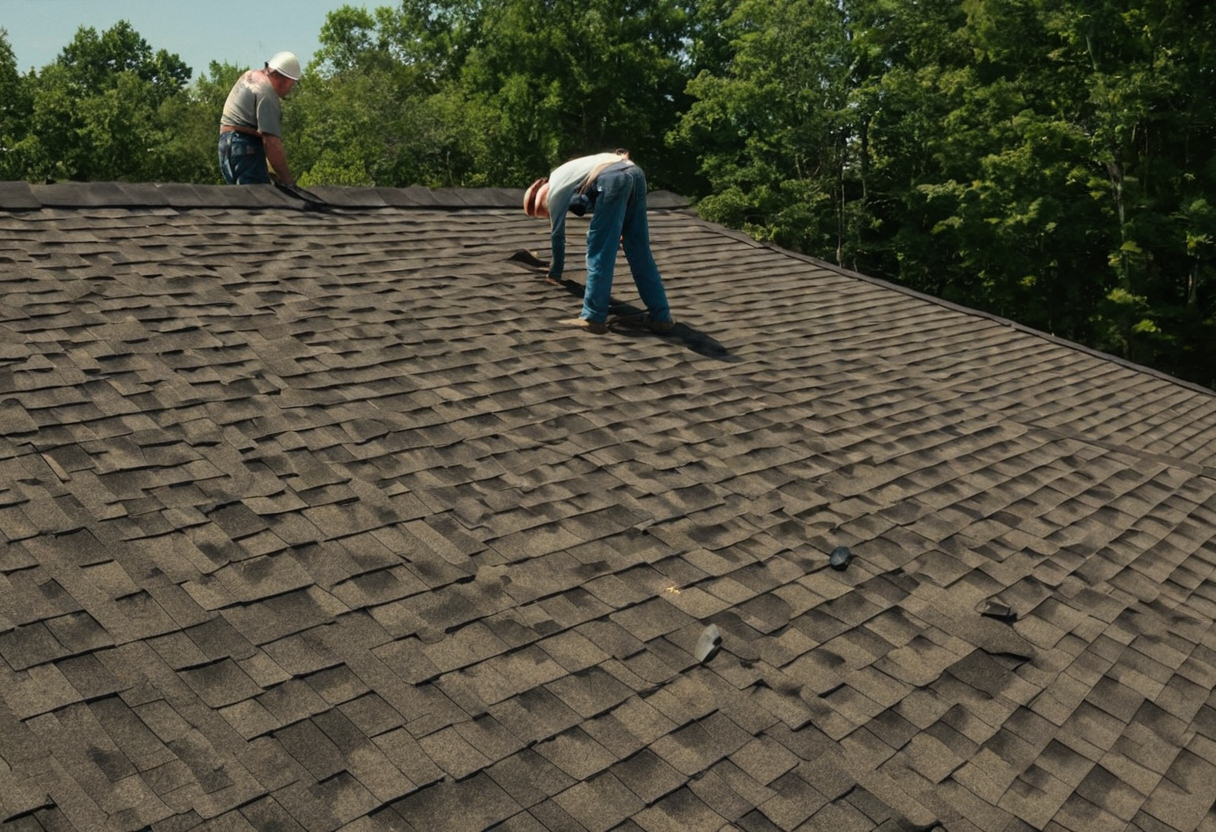
Installation standards and inspection points separate durable roofing companies from low-bid roofers shown with practical context cues.
- Tear-off: exposed decking, soft sheathing, plank gaps, damaged fascia edges, and recommended plywood replacement.
- Dry-in: underlayment, drip edge, valley treatment, deck seams, and ice barrier where required.
- Flashing: close photos at chimneys, skylights, plumbing vents, sidewalls, headwalls, valleys, and roof-to-wall transitions.
- Ventilation: intake paths, ridge or exhaust vents, cut openings, and corrected soffit areas when ventilation is part of the scope.
- Final cleanup: finished roof planes, gutters, driveway protection, nail sweep areas, and removed debris.
Permit documentation supports the same habit. Chicago requires at least one existing-condition photograph for all reroofing applications, plus drawings for structural roof repairs and structural calculations for recover over two or more existing layers.
Roof replacement contract terms should define price, payment schedule, exclusions, and cancellation rights
A roof replacement contract should turn the accepted estimate into enforceable terms covering total price, deposit, payment milestones, start window, weather delays, material substitutions, exclusions, change orders, cleanup, lien waivers, and cancellation rights.
A homeowner can negotiate a roofing contract by clarifying scope risk, not by hiding budget information
Roofing negotiation works best when the homeowner asks the roofing contractor to price uncertainty before tear-off. The contract should state how rotten decking, chimney flashing, skylight curbs, ventilation corrections, extra disposal, and code-required changes will be charged if crews uncover them.
- Reasonable request: add a per-sheet plywood price, a labor rate for deck repair, and a written approval step before change-order work starts.
- Reasonable request: compare material options by warranty, wind rating, color availability, and installation requirement.
- Risky request: remove underlayment, flashing replacement, permit fees, or cleanup controls to force a lower number.
If interior sealants, coatings, or cleaning products will be used around skylights or roof penetrations, require product disclosure and ventilation. The EPA identifies building materials, paints, varnishes, waxes, and cleaning products as common indoor sources of volatile organic compounds. EPA indoor air quality guidance
A roofing company should not require full payment before materials, labor, and inspections are complete
Payment terms should match delivered value. A safer structure ties the deposit to ordering materials, progress payment to dry-in or substantial installation, and final payment to cleanup, inspection status, warranty paperwork, and lien waivers from the contractor and major suppliers or subcontractors.
Cancellation rights, deposit limits, door-to-door sale rules, financing disclosures, and insurance-claim payment timing vary by state and contract type. Before signing, know what can be canceled, what becomes nonrefundable, and what written promises survive the sales appointment.
Roofing warranties and insurance-claim promises must be verified in writing before signing
Roofing warranties and insurance-related promises should be evaluated separately because manufacturer coverage, contractor workmanship coverage, exclusions, transferability, and claim duties are different.
Manufacturer warranty coverage is not the same as the roofing contractor workmanship warranty
A manufacturer warranty usually addresses product defects in shingles, tile, metal panels, membranes, or system accessories. A roofing contractor workmanship warranty addresses installation labor, such as nail placement, flashing, underlayment laps, ventilation cuts, and leak response. TDI warns that roof warranties do not prove how long a roof will last because warranty documents define liability and may be prorated.
A homeowner should request the actual warranty forms before signing, not a brochure line that says “limited lifetime.” Verify material coverage, wind coverage, algae coverage, workmanship add-ons, registration steps, transfer rules, and exclusions for improper installation, poor attic ventilation, incompatible accessories, or unauthorized repairs.
A storm-damage roofing contractor should not tell a homeowner what to say to an insurance adjuster
A storm-damage roofing contractor can document roof conditions, provide photos, write an estimate, and explain construction scope. A contractor should not coach false statements, inflate damage, promise claim approval, or act as a public adjuster where local law restricts that work.
Roofing warranties and insurance-claim promises must be verified in writing before signing shown as an editorial planning reference.
Keep the claim file complete: dated photos, inspection notes, the adjuster’s report, contractor estimates, permit records, change orders, and insurer messages.
FAQ
What is the 25% rule for roofing, and does it apply in every city or state?
The 25% rule is not one national roofing rule. Chicago lists roof repair limited to 25 percent of roof area as one eligible scope under its Express Permit Program. Other cities and states may use different thresholds, so check the local building department.
What should a homeowner not say to a roof insurance adjuster after storm damage?
A homeowner should not guess, exaggerate, or repeat a contractor’s claim script. Provide dates, photos, observed leaks, prior repair records, and access for inspection. Construction opinions belong in the contractor estimate; coverage decisions belong to the insurer and properly licensed claim professionals.
What time of year is usually cheapest to replace a roof, and when can waiting be risky?
Roof pricing can soften outside peak storm and fair-weather seasons, but local climate controls the risk. Waiting can be risky when active leaks, lifted shingles, wet decking, or winter weather could turn a planned replacement into interior damage or emergency dry-in work.
How can a homeowner negotiate a roofing contract without cutting essential installation quality?
A homeowner can negotiate by clarifying scope risk: unit prices for plywood, written change-order rules, material alternatives, start windows, cleanup duties, and payment milestones. Cutting flashing, underlayment, ventilation, permit work, or inspection controls can weaken the roof.
What are the most important questions to ask a roofing contractor before signing?
Ask who holds the license, who carries insurance, who pulls the permit, what roof system will be installed, how hidden deck damage is priced, what photos will document the work, what warranties apply, and what exclusions remain after signing.